
Pancreatitis (Acute & Chronic): Symptoms, Causes, Diagnosis & Treatment
What is Pancreatitis?
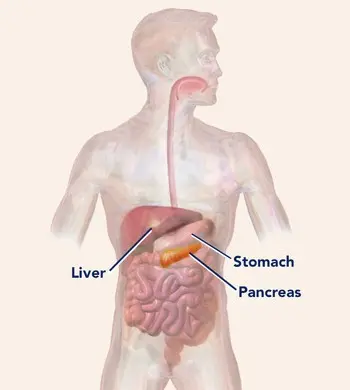
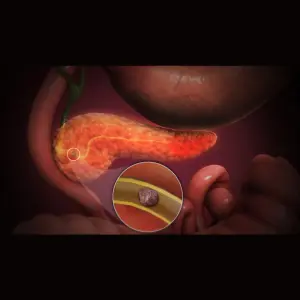
Pancreatitis is inflammation of the pancreas, a vital organ located behind the stomach that produces digestive enzymes and hormones such as insulin. When the pancreas becomes inflamed, digestive enzymes can begin attacking the pancreatic tissue itself, leading to pain and potential complications.
Pancreatitis can occur suddenly (Acute Pancreatitis) or develop gradually over time (Chronic Pancreatitis). Early diagnosis and appropriate treatment are essential to prevent serious complications and preserve pancreatic function.
Types of Pancreatitis

Acute Pancreatitis
Acute pancreatitis is a sudden inflammation of the pancreas that develops over a short period. Most cases are mild and resolve with treatment, but severe cases can become life-threatening and require intensive medical care.
Chronic Pancreatitis
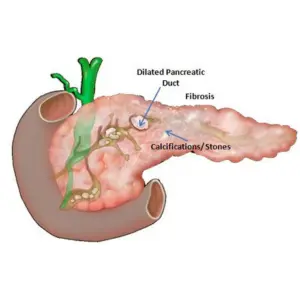
Chronic pancreatitis is a long-term inflammatory condition that causes permanent damage to the pancreas. Repeated episodes of inflammation can lead to scarring, loss of pancreatic function, diabetes, and digestive problems.

What Causes Pancreatitis?
Several conditions can trigger pancreatic inflammation.
Common Causes of Acute Pancreatitis
- Gallstones
- Excessive alcohol consumption
- High triglyceride levels
- Certain medications
- Pancreatic duct obstruction
- Infections
- Trauma or injury
Common Causes of Chronic Pancreatitis
- Long-term alcohol use
- Recurrent acute pancreatitis
- Smoking
- Genetic disorders
- Autoimmune pancreatitis
- Pancreatic duct abnormalities
- Idiopathic (unknown cause)
Symptoms of Acute Pancreatitis
Acute pancreatitis often presents with sudden symptoms, including:
- Severe upper abdominal pain
- Pain radiating to the back
- Nausea and vomiting
- Fever
- Abdominal tenderness
- Rapid heartbeat
- Bloating
- Difficulty eating
The pain is often severe and may worsen after meals.
Symptoms of Chronic Pancreatitis
Patients with chronic pancreatitis may experience:
- Persistent abdominal pain
- Recurrent episodes of pancreatitis
- Weight loss
- Fatty or oily stools (Steatorrhea)
- Poor digestion
- Loss of appetite
- Diabetes mellitus
- Nutritional deficiencies
Over time, pancreatic function may become significantly impaired.
How is Pancreatitis Diagnosed?
A thorough evaluation helps determine the severity and cause of pancreatitis.
Blood Tests
- Serum Amylase
- Serum Lipase
- Liver Function Tests
- Blood Sugar Levels
- Complete Blood Count

Ultrasound
Helps detect gallstones and pancreatic inflammation.
CT Scan
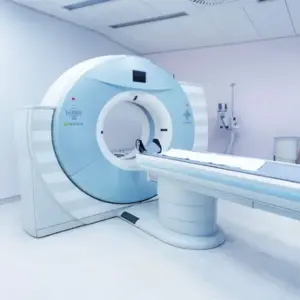
Provides detailed images of the pancreas and surrounding organs.
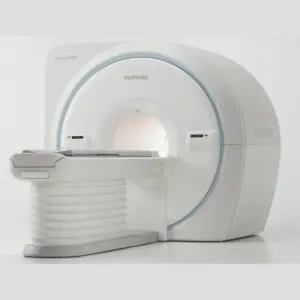
MRI / MRCP
Useful for evaluating pancreatic ducts and identifying structural abnormalities.

Endoscopic Ultrasound (EUS)
Offers highly detailed imaging of the pancreas and biliary system.
Risk Factors for Pancreatitis
Factors that increase the risk of pancreatitis include:
- Heavy alcohol consumption
- Gallstone disease
- Smoking
- Obesity
- High cholesterol or triglycerides
- Family history of pancreatic disease
- Autoimmune disorders
- Previous pancreatic injury
Complications of Pancreatitis
If left untreated, pancreatitis can lead to serious complications such as:
- Pancreatic pseudocysts
- Pancreatic necrosis
- Internal bleeding
- Organ failure
- Diabetes
- Malnutrition
- Pancreatic duct strictures
- Pancreatic cancer (in selected chronic cases)
Treatment for Acute Pancreatitis
Hospital-Based Care
Most patients require hospitalization for:
- Intravenous fluids
- Pain management
- Nutritional support
- Monitoring for complications
Treating the Underlying Cause
Depending on the cause, treatment may include:
- Gallbladder removal for gallstone-related pancreatitis
- Endoscopic procedures to remove bile duct stones
- Management of high triglycerides
- Medication adjustments
Advanced Interventions
Severe pancreatitis may require:
- Drainage of pancreatic collections
- Endoscopic treatment
- Interventional radiology procedures
- Surgery for infected necrosis
Treatment for Chronic Pancreatitis
Lifestyle Modifications
- Complete avoidance of alcohol
- Smoking cessation
- Low-fat diet
- Regular medical follow-up
Medications
- Pain management
- Pancreatic enzyme supplements
- Diabetes management
- Nutritional supplementation
Endoscopic Treatment
Endoscopic procedures may help relieve ductal obstruction, remove stones, or place pancreatic stents.
Surgical Treatment
- Severe chronic pain
- Pancreatic duct obstruction
- Pancreatic cysts
- Complications of chronic pancreatitis
Can Pancreatitis Be Prevented?
- Avoiding excessive alcohol consumption
- Treating gallstones promptly
- Managing triglyceride levels
- Following a balanced diet
- Quitting smoking
Why Choose Specialized Pancreatic Care?
Pancreatitis can range from a mild condition to a life-threatening disease requiring advanced multidisciplinary care. Specialized centers provide access to experienced gastroenterologists, HPB surgeons, interventional endoscopists, radiologists, and critical care specialists for comprehensive treatment.
Early diagnosis and expert management can help prevent complications and improve long-term outcomes.
Frequently Asked Questions (FAQs)
Acute pancreatitis occurs suddenly and may resolve completely, while chronic pancreatitis is a long-term condition that causes permanent pancreatic damage.
Gallstones and alcohol consumption are among the most common causes of pancreatitis worldwide.
Acute pancreatitis often resolves with treatment. Chronic pancreatitis can be managed effectively, although permanent pancreatic damage may not be reversible.
Yes. Severe pancreatitis can lead to life-threatening complications such as infection, organ failure, and pancreatic necrosis if not treated promptly.
Yes. Chronic pancreatitis can damage insulin-producing cells, leading to diabetes.
You should seek specialist care if you experience severe abdominal pain, recurrent pancreatitis episodes, unexplained weight loss, digestive problems, or symptoms suggestive of pancreatic disease.
Yes. Surgery may be beneficial in selected patients with chronic pain, pancreatic duct obstruction, pancreatic stones, or other complications.