
Hepatitis B: Symptoms, Causes, Diagnosis & Treatment
What is Hepatitis B?
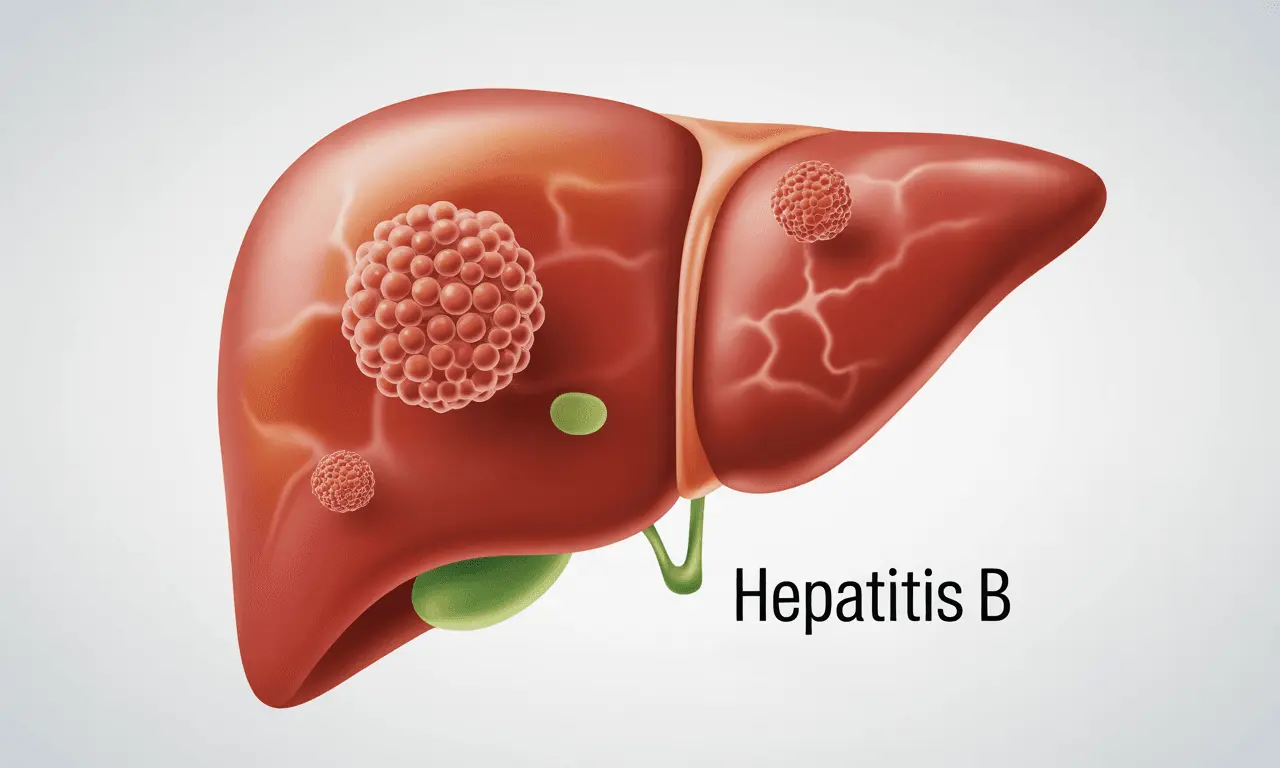
Hepatitis B is a viral infection caused by the Hepatitis B Virus (HBV) that primarily affects the liver. It can cause both acute (short-term) and chronic (long-term) liver disease. While some people recover completely, others may develop chronic infection that can lead to serious complications such as liver cirrhosis, liver failure, and liver cancer.
Hepatitis B is a major global health concern, but with early diagnosis, proper treatment, and vaccination, it can be effectively managed and prevented.
What Causes Hepatitis B?
Hepatitis B is caused by infection with the Hepatitis B Virus (HBV). The virus spreads through contact with infected blood or certain body fluids.
Common modes of transmission include:
- Mother-to-child transmission during childbirth
- Unprotected sexual contact
- Sharing needles or syringes
- Exposure to infected blood
- Unsafe medical procedures
- Tattooing or body piercing with unsterilized equipment
- Needle-stick injuries in healthcare settings
Hepatitis B is not spread through casual contact such as hugging, shaking hands, sharing food, coughing, or sneezing.
Symptoms of Hepatitis B
Many people with Hepatitis B may not experience symptoms, especially during the early stages.
When symptoms occur, they may include:
- Fatigue
- Fever
- Loss of appetite
- Nausea and vomiting
- Abdominal pain
- Joint pain
- Dark-colored urine
- Pale stools
- Jaundice (yellowing of the skin and eyes)
Types of Hepatitis B
Acute Hepatitis B
Acute Hepatitis B is a short-term infection that occurs within the first six months after exposure to the virus. Many adults recover completely without long-term complications.
Chronic Hepatitis B
If the virus remains in the body for more than six months, it is considered chronic Hepatitis B. Chronic infection can silently damage the liver over many years and may require long-term monitoring and treatment.
How is Hepatitis B Diagnosed?
Early diagnosis is important to prevent liver damage and monitor disease progression.
Specialized blood tests help determine:
- Presence of Hepatitis B infection
- Whether infection is acute or chronic
- Viral activity levels
- Liver function status
- Need for treatment
Common tests include:
- HBsAg
- HBeAg
- Anti-HBs
- Anti-HBc
- HBV DNA Viral Load
Why Choose Specialized Hepatitis B Care?
Managing Hepatitis B requires ongoing monitoring, accurate assessment of liver health, and timely intervention when necessary. Specialized liver centers offer advanced diagnostic tools, FibroScan technology, antiviral therapy, liver cancer surveillance, and comprehensive long-term care tailored to individual patient needs.
Frequently Asked Questions (FAQs)
Acute Hepatitis B often resolves completely. While chronic Hepatitis B may not always be completely cured, it can be effectively controlled with modern antiviral treatments.
Chronic Hepatitis B can become serious if left untreated, potentially leading to cirrhosis, liver failure, and liver cancer.
No. Hepatitis B is not spread through food, water, hugging, kissing, coughing, or casual social interactions.
Yes. With regular monitoring, appropriate treatment, and a healthy lifestyle, many individuals with Hepatitis B live long and healthy lives.
Follow-up schedules vary based on disease activity, but regular liver function tests, viral load assessments, and imaging are generally recommended.
Yes. The Hepatitis B vaccine has an excellent safety record and is highly effective in preventing infection.
You should seek specialist evaluation if you have tested positive for Hepatitis B, have abnormal liver function tests, a family history of liver disease, symptoms of liver disease, or require ongoing monitoring of chronic infection.