
Biliary Disease: Symptoms, Causes, Diagnosis & Treatment
What is Biliary Disease?
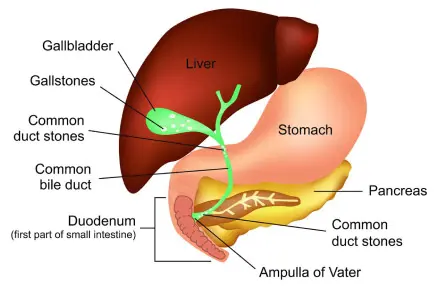
Biliary disease refers to a group of conditions that affect the biliary system, which includes the gallbladder, bile ducts, and the structures responsible for producing, storing, and transporting bile. Bile is a digestive fluid produced by the liver that helps break down fats and remove waste products from the body.
Disorders of the biliary system can interfere with the normal flow of bile, leading to pain, infection, jaundice, inflammation, and other serious complications if left untreated.
Understanding the Biliary System
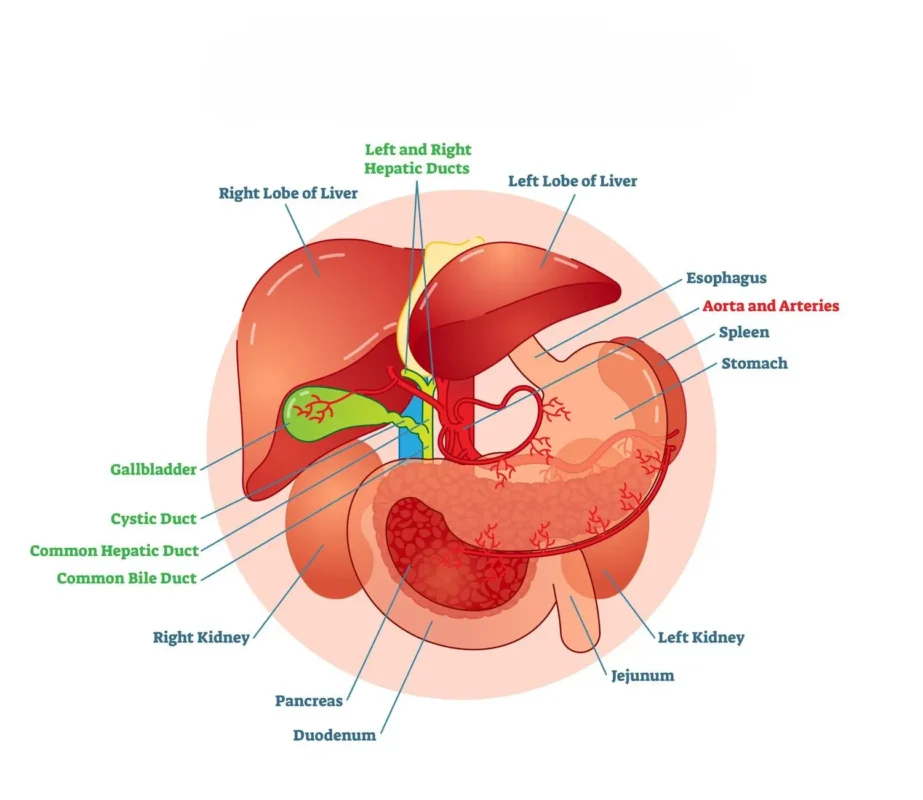
The biliary system consists of:
- Liver
- Gallbladder
- Intrahepatic bile ducts
- Extrahepatic bile ducts
- Common bile duct
- Ampulla of Vater
Any blockage, infection, inflammation, or tumor affecting these structures can result in biliary disease.
Types of Biliary Diseases
Gallstones (Cholelithiasis)
Gallstones are hardened deposits that form inside the gallbladder. They are one of the most common causes of biliary disease.
Common Bile Duct Stones (Choledocholithiasis)
Gallstones may migrate from the gallbladder into the bile ducts, causing obstruction and complications.
Acute Cholecystitis
Inflammation of the gallbladder, usually caused by gallstones blocking the cystic duct.
Cholangitis
A serious infection of the bile ducts that requires urgent medical treatment.
Biliary Strictures
Narrowing of the bile ducts due to injury, inflammation, surgery, or chronic disease.
Bile Duct Cysts (Choledochal Cysts)
Congenital abnormalities involving dilation of the bile ducts.
Primary Sclerosing Cholangitis (PSC)
A chronic inflammatory disease that causes progressive scarring of the bile ducts.
Biliary Tumors and Cancer
These include cancers of the gallbladder, bile ducts (cholangiocarcinoma), and periampullary region.
Causes and Risk Factors
Several factors may increase the risk of biliary diseases:
- Gallstones
- Obesity
- High-fat diet
- Diabetes
- Family history of gallbladder disease
- Liver disease
- Previous biliary surgery
- Pancreatic disorders
- Chronic inflammation of bile ducts
- Increasing age
Symptoms of Biliary Disease
Symptoms vary depending on the underlying condition but may include:
- Upper abdominal pain
- Right-sided abdominal pain
- Jaundice (yellowing of the skin and eyes)
- Fever and chills
- Nausea and vomiting
- Loss of appetite
- Dark-colored urine
- Pale stools
- Itching of the skin
- Unexplained weight loss
How is Biliary Disease Diagnosed?
A detailed evaluation helps determine the cause and severity of biliary disease.
Blood Tests
- Liver Function Tests (LFTs)
- Bilirubin levels
- Complete Blood Count (CBC)
- Infection markers

Ultrasound
The first-line imaging test for gallstones and gallbladder disease.
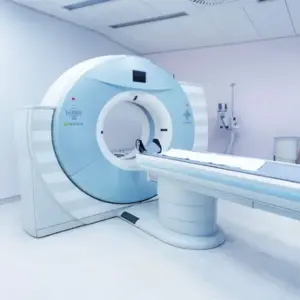
CT Scan
Provides detailed evaluation of the liver, gallbladder, pancreas, and bile ducts.
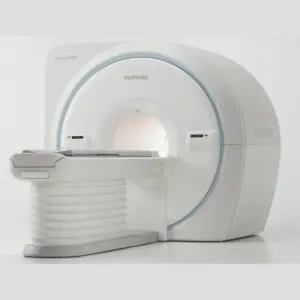
MRI / MRCP
A specialized imaging study used to visualize the biliary and pancreatic duct systems.

Endoscopic Ultrasound (EUS)
Useful for detecting small bile duct stones and evaluating tumors.
Advanced Diagnostic Procedures
ERCP (Endoscopic Retrograde Cholangiopancreatography)
ERCP is a specialized endoscopic procedure used to diagnose and treat bile duct disorders, remove stones, place stents, and relieve obstruction.
Cholangioscopy
Allows direct visualization of the bile ducts to evaluate strictures, tumors, and difficult biliary conditions.
Treatment of Biliary Disease
Treatment depends on the specific condition and severity of the disease.
Medical Management
Some biliary disorders can be managed with:
- Antibiotics
- Pain medications
- Nutritional support
- Treatment of underlying liver disease
Endoscopic Treatment
Many biliary conditions can be treated using minimally invasive endoscopic procedures.
- Removal of bile duct stones
- Biliary stenting
- Stricture dilation
- Relief of biliary obstruction
Surgical Treatment
Surgery may be required for:
Gallbladder Removal (Cholecystectomy)
The most common surgery performed for gallstones and gallbladder disease.
Bile Duct Reconstruction
Performed for complex bile duct injuries or strictures.
Choledochal Cyst Excision
Removal of congenital bile duct cysts to prevent complications.
HPB Surgery
Advanced Hepatobiliary and Pancreatic surgery may be necessary for tumors, complex strictures, and biliary cancers.
Biliary Cancer Management
Specialized treatment for biliary cancers may include:
- Surgical resection
- Liver resection
- Bile duct reconstruction
- Chemotherapy
- Radiation therapy
- Targeted therapy
Treatment is usually planned through a multidisciplinary cancer care team.
Complications of Untreated Biliary Disease
Without treatment, biliary disorders can lead to:
- Severe infections
- Liver damage
- Sepsis
- Pancreatitis
- Biliary cirrhosis
- Biliary cancer
Early diagnosis and treatment can prevent most complications.
Can Biliary Disease Be Prevented?
Maintaining a healthy body weight, Following a balanced diet, Exercising regularly, Managing diabetes effectively, Avoiding rapid weight loss, Seeking early treatment for gallstones, Regular medical checkups
Why Choose Specialized Biliary Care?
Biliary diseases often require coordinated care involving gastroenterologists, HPB surgeons, interventional endoscopists, radiologists, and liver specialists. Access to advanced imaging, endoscopic procedures, and complex hepatobiliary surgery ensures accurate diagnosis and optimal treatment outcomes.
Frequently Asked Questions (FAQs)
Gallstones are the most common biliary disorder and affect millions of people worldwide.
Yes. Blockage of the bile ducts can cause bile to accumulate in the bloodstream, resulting in jaundice.
ERCP is used to diagnose and treat bile duct stones, strictures, leaks, and obstructions.
Not all gallstones cause symptoms, but symptomatic gallstones can lead to complications such as infection, pancreatitis, and bile duct obstruction.
Surgery may be necessary for gallbladder disease, bile duct injuries, strictures, choledochal cysts, and biliary cancers.
Yes. Gallstones blocking the bile duct can trigger acute pancreatitis.
You should seek specialist care if you experience abdominal pain, jaundice, recurrent gallstones, fever with abdominal symptoms, unexplained weight loss, or abnormal liver function tests.