Liver Diseases: Symptoms, Causes, Diagnosis & Treatment
What Are Liver Diseases?
Liver diseases refer to a wide range of conditions that affect the liver’s ability to function properly. The liver is one of the most important organs in the body, responsible for filtering toxins, producing bile, regulating metabolism, storing nutrients, and supporting immunity.
When the liver becomes damaged due to infection, inflammation, fat accumulation, alcohol use, or other causes, it can lead to serious health complications. Early diagnosis and appropriate treatment are essential to prevent permanent liver damage and liver failure.
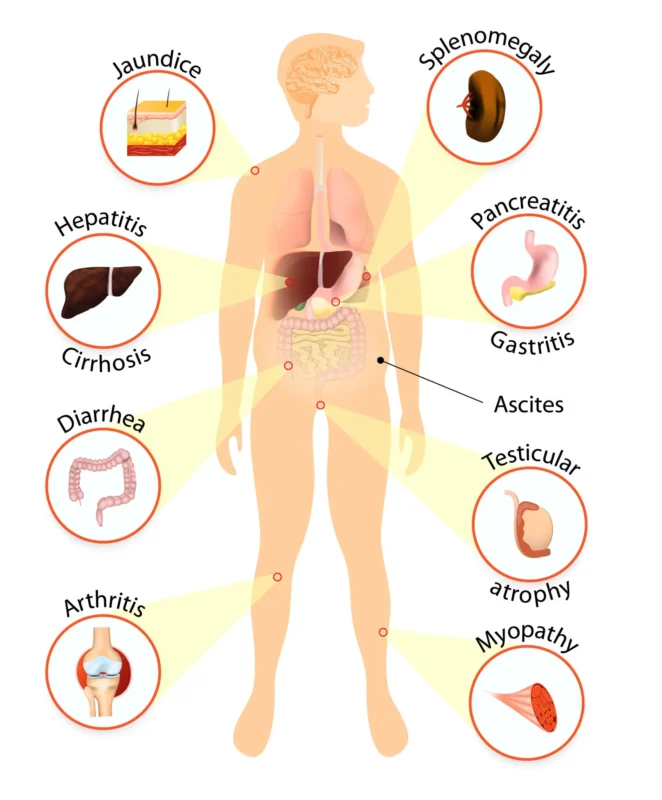
Common Types of Liver Diseases
Fatty Liver Disease (NAFLD & NASH)
Fatty liver disease occurs when excess fat accumulates in the liver. It is increasingly common due to obesity, diabetes, and sedentary lifestyles.
- Non-Alcoholic Fatty Liver Disease (NAFLD)
- Non-Alcoholic Steatohepatitis (NASH)
If left untreated, fatty liver disease can progress to cirrhosis and liver cancer.
Hepatitis
Hepatitis is inflammation of the liver caused by viral infections, autoimmune conditions, alcohol abuse, or medications.
Common types include: Hepatitis A, Hepatitis B, Hepatitis C, Autoimmune Hepatitis
Chronic hepatitis can result in significant liver damage over time.
Liver Cirrhosis
Cirrhosis is the advanced scarring of the liver caused by long-term liver injury. As healthy liver tissue is replaced by scar tissue, liver function gradually declines.
Common causes include:
- Chronic Hepatitis B & C
- Fatty Liver Disease
- Alcohol-related liver disease
- Autoimmune liver disorders
Alcohol-Related Liver Disease
Excessive alcohol consumption can lead to:
- Fatty liver
- Alcoholic hepatitis
- Liver cirrhosis
- Liver failure
Stopping alcohol consumption can help prevent disease progression.
Liver Cancer
Primary liver cancer, especially Hepatocellular Carcinoma (HCC), often develops in patients with chronic liver disease or cirrhosis.
Early detection significantly improves treatment outcomes.
Liver Failure
Liver failure occurs when the liver can no longer perform its essential functions.
It may develop suddenly (Acute Liver Failure) or gradually (Chronic Liver Failure) and often requires specialized treatment or liver transplantation.
Genetic and Metabolic Liver Disorders
Certain inherited conditions can affect liver function, including:
- Wilson’s Disease
- Hemochromatosis
- Alpha-1 Antitrypsin Deficiency
Early diagnosis can help prevent long-term complications.
Symptoms of Liver Disease
- Fatigue and weakness
- Loss of appetite
- Nausea and vomiting
- Abdominal pain
- Jaundice (yellowing of skin and eyes)
- Swelling of the abdomen (Ascites)
- Leg swelling
- Unexplained weight loss
- Dark urine
- Easy bruising or bleeding
Risk Factors for Liver Disease
- Obesity
- Diabetes
- High cholesterol
- Excessive alcohol consumption
- Hepatitis B infection
- Hepatitis C infection
- Smoking
- Family history of liver disease
- Exposure to toxins
- Long-term use of certain medications
How Are Liver Diseases Diagnosed?
Early diagnosis helps prevent disease progression and complications.
Blood Tests
- Liver Function Tests (LFTs)
- Viral Hepatitis Screening
- Coagulation Profile
- Complete Blood Count
- Tumor Markers
Imaging Studies

Ultrasound
Often the first investigation used to evaluate liver abnormalities.
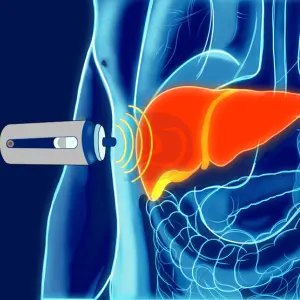
FibroScan
A non-invasive test used to assess liver fibrosis and fatty liver disease.
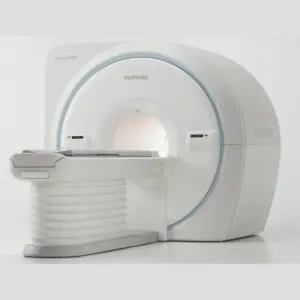
MRI Scan
Useful for evaluating liver lesions and bile duct abnormalities.
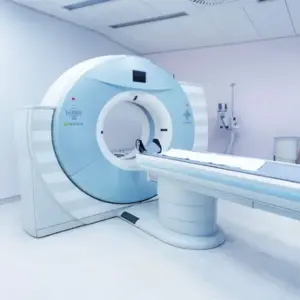
CT Scan
Provides detailed imaging of liver structure and tumors.
Advanced Diagnostic Procedures
Liver Biopsy
A liver biopsy may be recommended when additional information is needed regarding the cause or severity of liver disease.
Endoscopy
Patients with cirrhosis may require endoscopic evaluation for esophageal varices and portal hypertension.
Treatment of Liver Diseases
Treatment depends on the underlying cause and severity of the condition.
Lifestyle Modifications
Many liver diseases improve with:
- Healthy diet
- Weight loss
- Regular exercise
- Avoiding alcohol
- Smoking cessation
Medical Management
Treatment may include:
- Antiviral medications
- Immunosuppressive therapy
- Medications for fatty liver disease
- Management of complications
- Nutritional support
Endoscopic and Interventional Procedures
Some liver conditions require specialized interventions, including:
- Management of portal hypertension
- Treatment of variceal bleeding
- Biliary drainage procedures
- Tumor-directed therapies
Surgical Treatment
Surgery may be required for:
- Liver tumors
- Liver cancer
- Biliary diseases
- Complicated liver cysts
Liver Transplantation
For patients with advanced liver failure, end-stage cirrhosis, or selected liver cancers, liver transplantation may offer the best chance for long-term survival and improved quality of life.
Complications of Untreated Liver Disease
Without treatment, liver disease can lead to:
- Liver cirrhosis
- Portal hypertension
- Ascites
- Internal bleeding
- Hepatic encephalopathy
- Liver cancer
- Increased risk of infections
Can Liver Disease Be Prevented?
Many liver diseases can be prevented by:
- Maintaining a healthy weight
- Exercising regularly
- Limiting alcohol consumption
- Getting vaccinated against Hepatitis A and B
- Practicing safe hygiene and healthcare habits
- Managing diabetes and cholesterol
- Undergoing regular health screenings
Why Choose Specialized Liver Care?
Liver diseases often require a multidisciplinary approach involving hepatologists, gastroenterologists, HPB surgeons, liver transplant specialists, radiologists, and nutrition experts.
Specialized liver centers offer advanced diagnostic facilities, state-of-the-art treatments, liver transplantation services, and personalized care plans to achieve the best possible outcomes.
Frequently Asked Questions (FAQs)
Fatigue, loss of appetite, abdominal discomfort, nausea, and abnormal liver function tests are common early signs.
Yes. In many cases, fatty liver disease can be reversed through weight loss, dietary changes, and lifestyle modifications.
The most common causes include chronic hepatitis infections, fatty liver disease, and excessive alcohol consumption.
Not all liver diseases are severe, but untreated liver conditions can progress to cirrhosis, liver failure, and liver cancer.
A liver transplant may be recommended for advanced liver failure, end-stage cirrhosis, and selected liver cancers.
Many liver diseases can be effectively treated or controlled when diagnosed early. Outcomes depend on the type and stage of disease.
You should seek specialist evaluation if you have jaundice, abnormal liver tests, chronic hepatitis, fatty liver disease, abdominal swelling, unexplained weight loss, or a family history of liver disorders.