

Stomach cancer, also called gastric cancer, develops when abnormal cells grow uncontrollably in the lining of the stomach. It may develop gradually, and early symptoms can sometimes resemble common digestive problems such as indigestion, acidity, bloating, or loss of appetite. Recognizing persistent or unusual symptoms and seeking appropriate medical evaluation can help with timely diagnosis.
Stomach Cancer: Symptoms, Stages & Treatment depends on several factors, including the location and type of cancer, its stage, overall health, and whether the disease has spread beyond the stomach. Treatment may involve surgery, chemotherapy, targeted therapy, immunotherapy, or a combination of approaches.
Dr. Sri Aurobindo Prasad Das (Dr. Aurobindo Das) is a Gastro Onco Surgeon, HPB & Liver Transplant Surgeon who provides specialist care for gastrointestinal cancers and complex diseases involving the liver, pancreas, and hepatobiliary system.
Stomach Cancer: Symptoms, Stages & Treatment Overview
Stomach Cancer: Symptoms, Stages & Treatment begins with understanding the disease and recognizing symptoms that require medical attention.
What Is Stomach Cancer?
Stomach cancer occurs when abnormal cells in the stomach lining undergo uncontrolled growth. Most stomach cancers are adenocarcinomas, which begin in the glandular cells lining the stomach.
The cancer may occur in different parts of the stomach, including the upper, middle, or lower regions. Its location can influence symptoms and the type of surgery or other treatment that may be considered.
Symptoms of Stomach Cancer
Early stomach cancer may cause few or nonspecific symptoms. As the disease progresses, symptoms can become more noticeable.
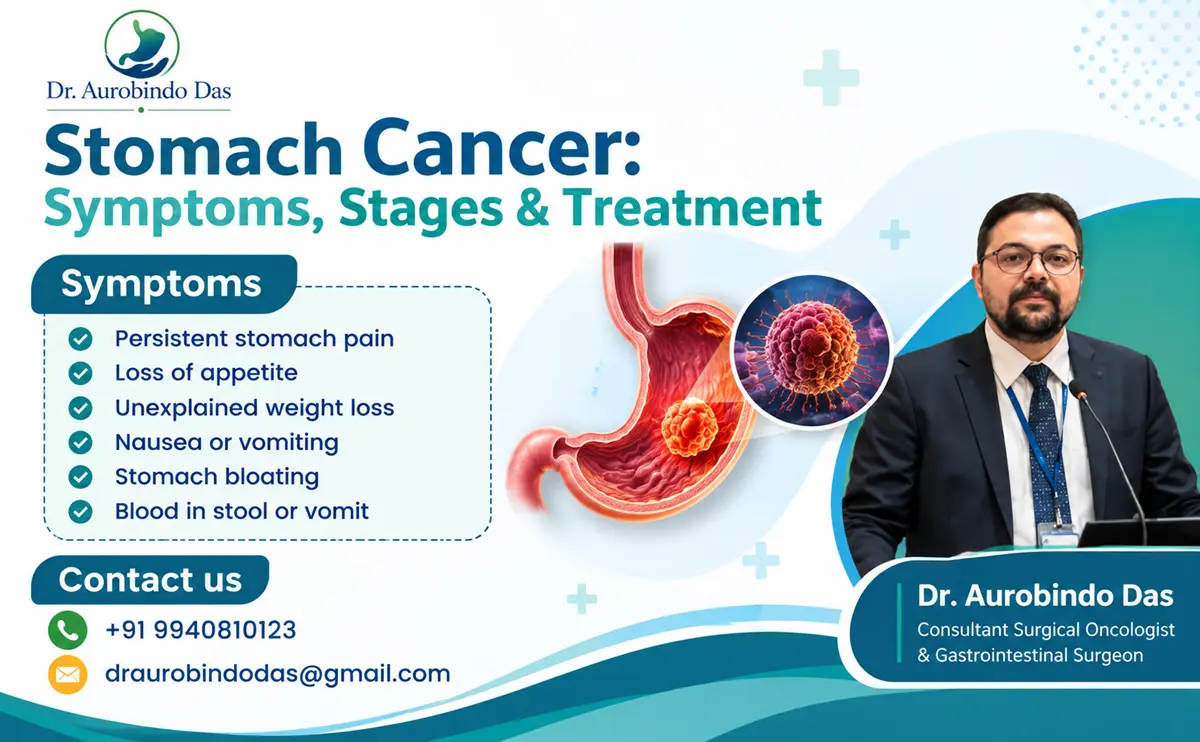
Common symptoms may include:
- Persistent indigestion or discomfort in the upper abdomen
- Frequent bloating after meals
- Loss of appetite
- Unexplained weight loss
- Nausea or vomiting
- Feeling full after eating a small amount
- Persistent abdominal pain
- Difficulty swallowing when the upper stomach or nearby structures are involved
- Tiredness or weakness, sometimes associated with anemia
- Vomiting blood in advanced or complicated cases
- Black, tarry stools caused by gastrointestinal bleeding
These symptoms can occur with many conditions that are not cancer. However, persistent, worsening, or unexplained symptoms should be assessed by a qualified doctor.
Risk Factors and Causes
There is no single cause of stomach cancer. Several factors may increase the risk, including:
- Helicobacter pylori infection: Long-standing infection can cause chronic inflammation of the stomach lining and is associated with increased gastric cancer risk.
- Family history: Having close relatives with stomach cancer may increase risk.
- Smoking: Tobacco exposure is associated with an increased risk of several cancers, including gastric cancer.
- Certain stomach conditions: Chronic gastritis and some precancerous changes can increase risk.
- Dietary factors: Diets high in certain preserved or smoked foods and low in fresh fruits and vegetables have been associated with gastric cancer risk.
- Previous stomach surgery: Certain previous gastric procedures may be associated with a long-term increased risk.
- Age: Risk generally increases with age, although stomach cancer can occur in younger adults as well.
Having a risk factor does not mean a person will develop cancer.
Why Early Evaluation Matters
Persistent digestive symptoms are often caused by non-cancerous conditions. However, delaying evaluation when symptoms continue or worsen can postpone diagnosis of potentially serious disease.
Stomach Cancer: Symptoms, Stages & Treatment therefore requires an individualized assessment rather than relying on symptoms alone.
Stomach Cancer: Symptoms, Stages & Treatment by Stage
The stage of stomach cancer describes how extensively the disease has developed and whether it has spread to nearby lymph nodes or distant organs. Accurate staging helps the multidisciplinary cancer team determine the most appropriate treatment strategy.
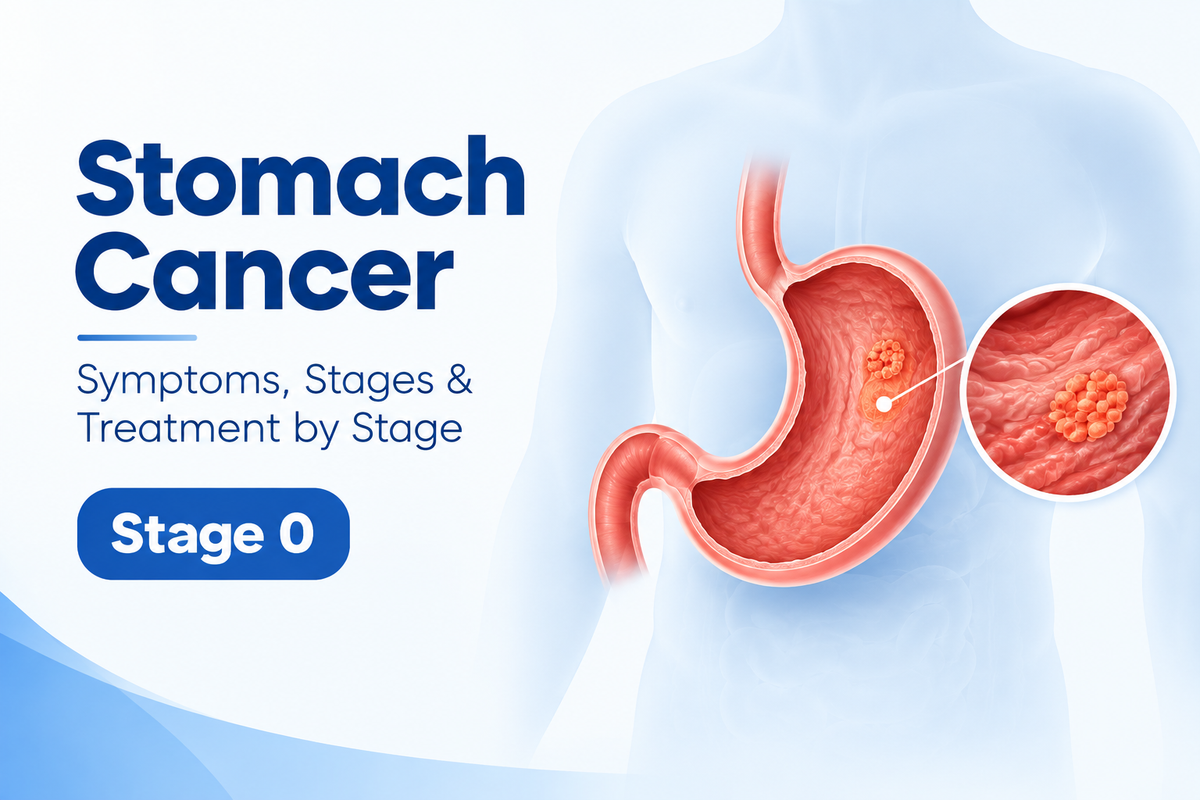
Stage 0
Stage 0 refers to abnormal or cancerous cells that remain confined to the innermost lining of the stomach. In selected cases, local removal through endoscopic treatment may be possible.
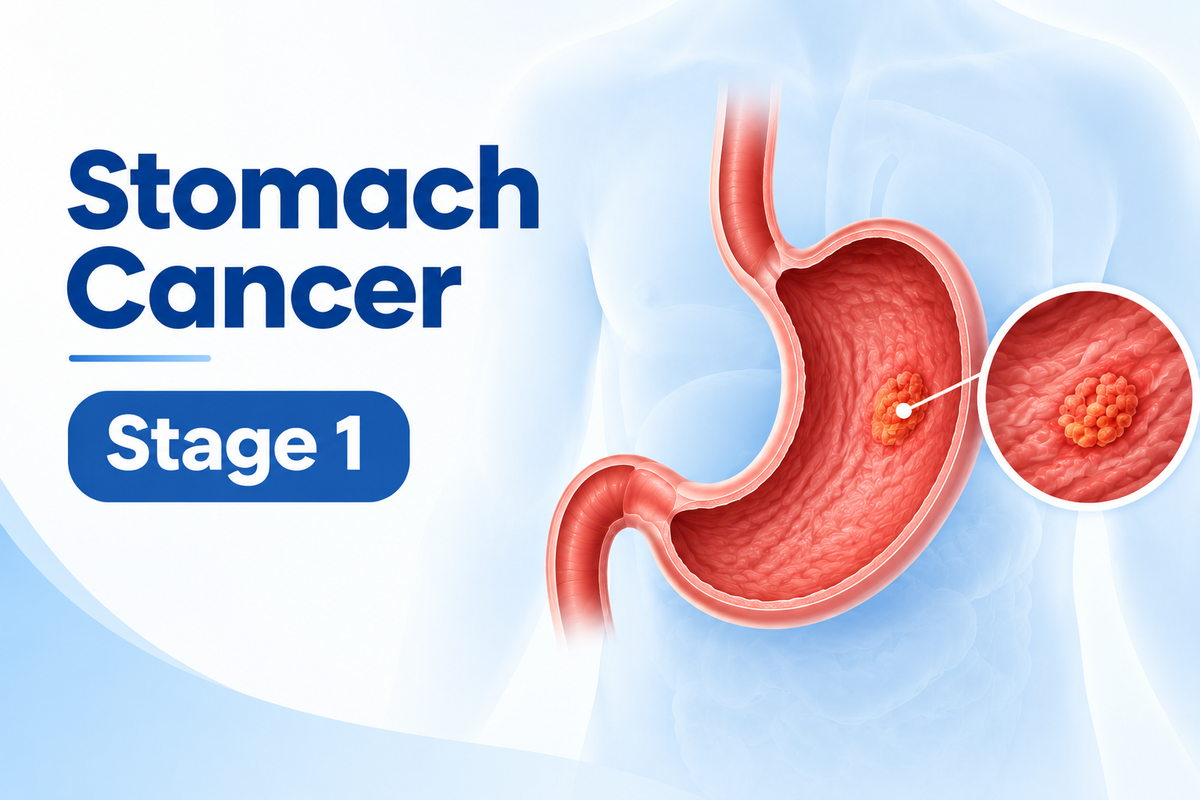
Stage I
At Stage I, the cancer has grown deeper into the stomach wall to varying degrees and may involve nearby lymph nodes. Depending on the tumor characteristics, surgery may be combined with chemotherapy or other treatment.
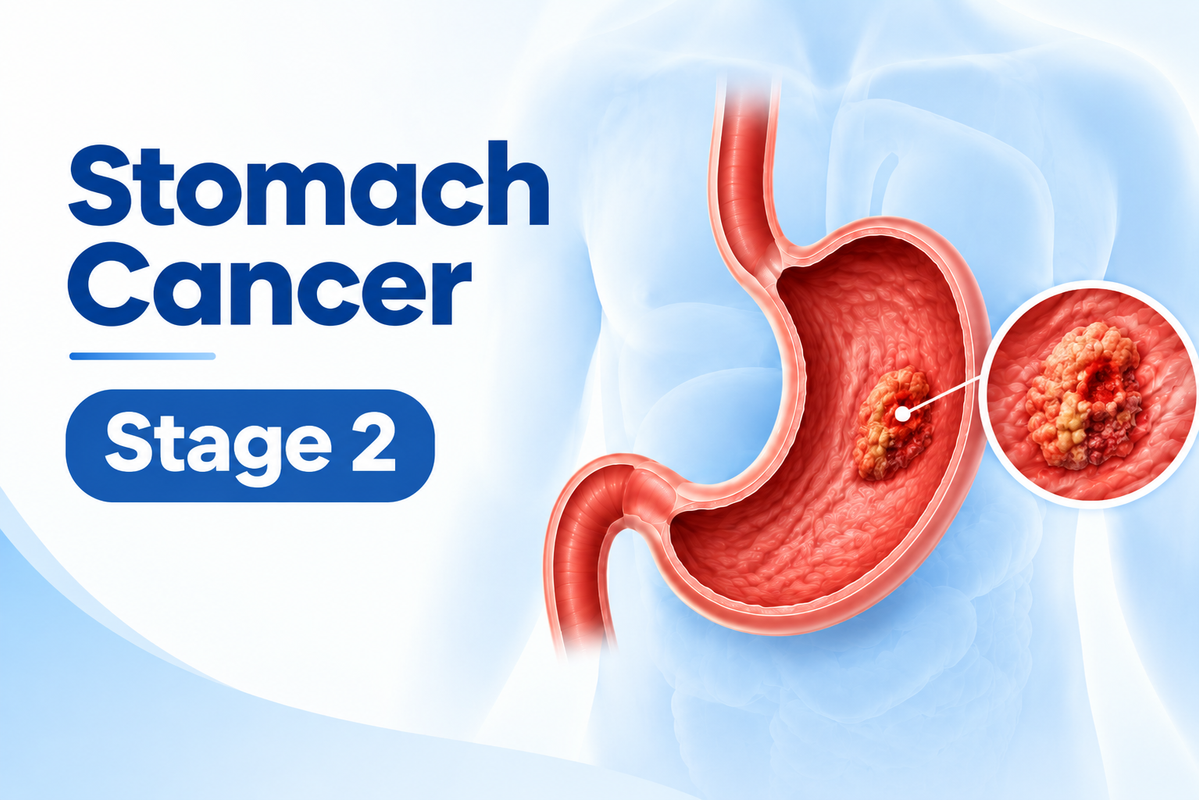
Stage II
Stage II stomach cancer has generally penetrated further into the stomach wall and/or involves a greater number of nearby lymph nodes. Treatment may include systemic therapy before or after surgery and removal of the affected stomach portion with appropriate lymph-node dissection.
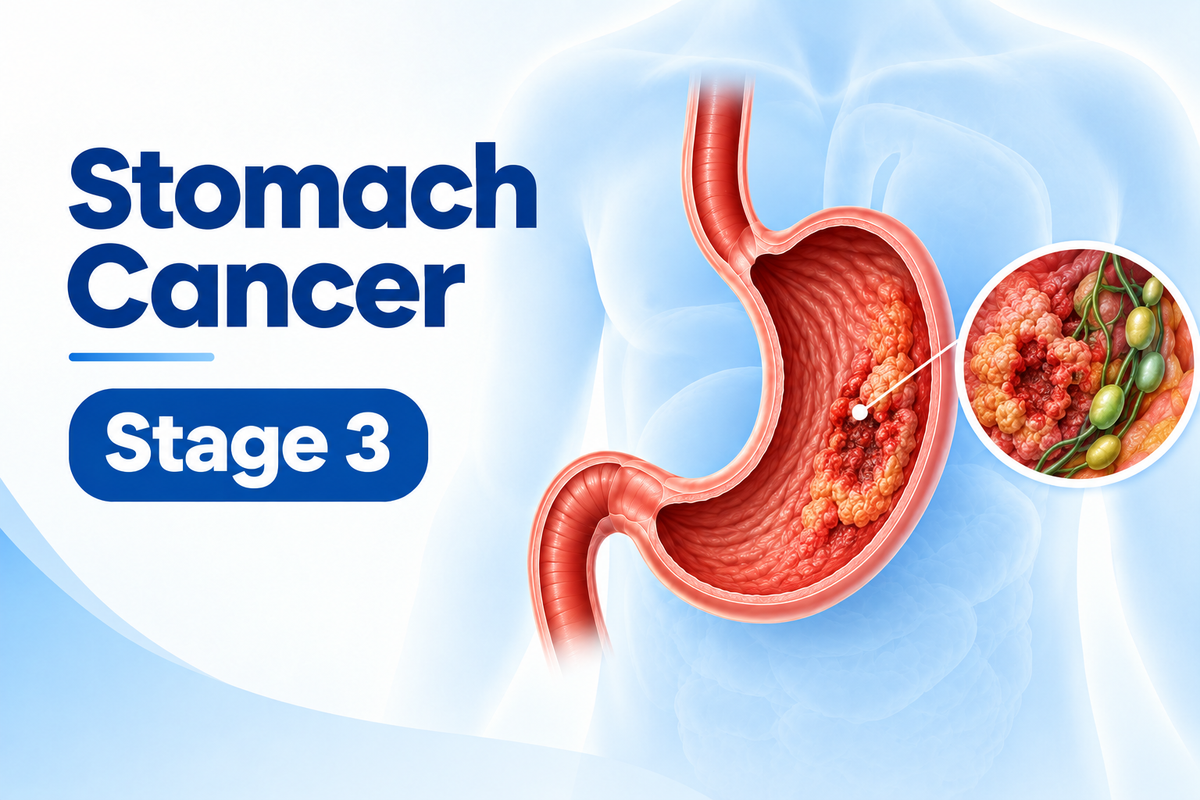
Stage III
Stage III indicates more locally advanced disease. The tumor may have invaded deeper tissues or involved multiple lymph nodes. Treatment commonly requires a multidisciplinary approach involving surgery and systemic cancer treatment when appropriate.
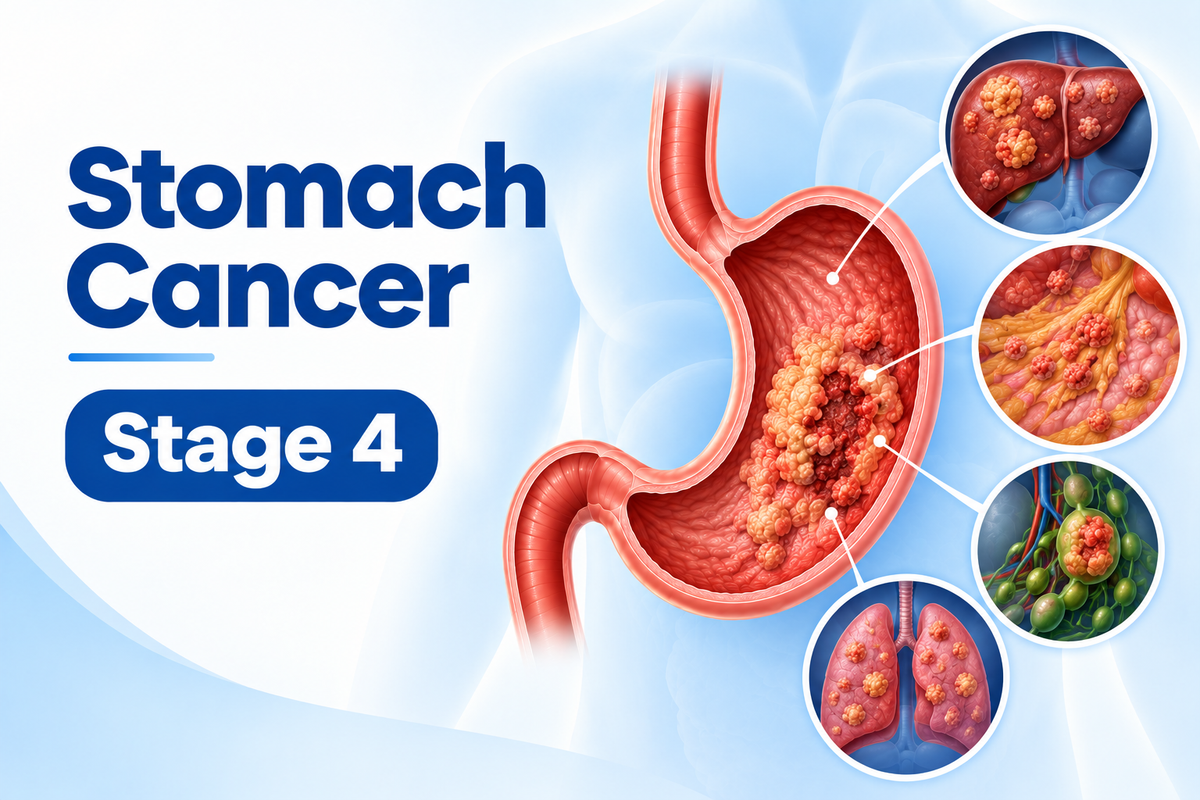
Stage IV
Stage IV stomach cancer has spread to distant parts of the body. Treatment generally focuses on controlling the disease, reducing symptoms, maintaining quality of life, and extending survival where possible. Systemic therapies may include chemotherapy, targeted medicines, immunotherapy, or combinations selected according to the cancer’s characteristics.
How Is Stomach Cancer Diagnosed?
Diagnosis usually involves several steps. The doctor may begin with a medical history and physical examination before recommending investigations.
Upper gastrointestinal endoscopy is an important diagnostic test. During endoscopy, a flexible camera is used to examine the stomach lining, and suspicious areas can be biopsied.
Other investigations may include:
- Biopsy and pathological examination
- Blood tests
- CT scan
- Endoscopic ultrasound in selected cases
- PET-CT in selected patients
- Molecular or biomarker testing when appropriate
- Diagnostic laparoscopy for selected locally advanced cancers
A biopsy is generally required to confirm the diagnosis of gastric cancer.
Stomach Cancer: Symptoms, Stages & Treatment Options
Stomach Cancer: Symptoms, Stages & Treatment varies according to the stage, tumor location, pathology, biomarkers, and the patient’s general health.
Surgery for Stomach Cancer
Surgery is an important treatment for many patients with potentially curable gastric cancer.
Depending on the tumor’s location and extent, surgery may involve:
- Partial gastrectomy: Removal of part of the stomach containing the tumor.
- Total gastrectomy: Removal of the entire stomach when required by the tumor’s location or extent.
- Lymph-node dissection: Removal of relevant lymph nodes to assess and control the spread of cancer.
- Reconstruction of the digestive tract so food can continue to pass through the gastrointestinal system.
The exact operation depends on individual anatomy and tumor characteristics.
Gastric Cancer Treatment
Gastric Cancer Treatment may involve more than surgery. Chemotherapy can be used before or after surgery, depending on the stage and treatment plan.
For advanced disease, doctors may consider systemic treatments such as:
- Chemotherapy
- Targeted therapy for appropriate biomarkers
- Immunotherapy for selected patients
- Radiation therapy in specific clinical situations
- Palliative procedures to manage obstruction, bleeding, pain, or other symptoms
Treatment decisions are generally made by a multidisciplinary team that may include a gastro-oncologist, surgeon, medical oncologist, radiologist, pathologist, and other specialists.
Treatment Comparison
| Treatment | Common role |
| Endoscopic treatment | Selected very early cancers |
| Surgery | Removal of potentially curable localized or locally advanced cancer |
| Chemotherapy | Before/after surgery or for advanced disease |
| Targeted therapy | Selected cancers with specific biomarkers |
| Immunotherapy | Selected advanced cancers based on clinical and biomarker factors |
| Radiation therapy | Selected cases depending on tumor and treatment objectives |
Not every patient needs every treatment. The treatment plan should be determined after complete staging and pathology assessment.
Recovery After Treatment
Recovery after stomach cancer surgery varies according to the type of operation, overall health, nutritional status, and whether additional cancer treatment is required.
After gastrectomy, nutritional management becomes particularly important. Patients may initially need smaller, more frequent meals and individualized dietary guidance. Some patients may require nutritional supplements or monitoring for vitamin and mineral deficiencies.
Regular follow-up helps doctors monitor recovery, nutritional health, treatment response, and possible recurrence.
Stomach Cancer: Symptoms, Stages & Treatment should therefore be viewed as a complete care pathway rather than a single procedure.
Benefits of Specialist Cancer Care
Specialist management can help coordinate diagnosis, staging, surgical planning, pathology review, and additional cancer therapies. For complex gastrointestinal cancers, an experienced multidisciplinary team can help develop a treatment plan based on the individual patient’s disease.
Dr. Aurobindo Das provides specialist services in gastrointestinal surgical oncology, HPB surgery, liver cancer surgery, pancreatic and biliary surgery, and liver transplantation.
Frequently Asked Questions About Stomach Cancer: Symptoms, Stages & Treatment
1. What are the early symptoms of stomach cancer?
Early symptoms can include indigestion, bloating, reduced appetite, mild upper-abdominal discomfort, or feeling full quickly. These symptoms are not specific to cancer, so persistent symptoms require medical evaluation.
2. Is stomach cancer curable?
Stomach cancer can be treated with curative intent when detected at an appropriate stage and remains localized or potentially resectable. Advanced disease may require systemic treatment to control the cancer and manage symptoms.
3. What is the main treatment for stomach cancer?
Surgery is an important treatment for many localized or locally advanced stomach cancers. Depending on the stage, surgery may be combined with chemotherapy or other treatments.
4. What is Gastric Cancer Treatment?
Gastric Cancer Treatment refers to the medical and surgical management of cancer arising in the stomach. Depending on the disease, it may include endoscopic treatment, surgery, chemotherapy, targeted therapy, immunotherapy, or other selected treatments.
5. Does every stomach cancer patient need surgery?
No. Treatment depends on the cancer’s stage, location, pathology, spread, and the patient’s overall condition. Some early cancers may be treated endoscopically, while advanced cancers may require systemic treatment.
6. Can stomach cancer be detected through an endoscopy?
Yes. Upper gastrointestinal endoscopy allows the doctor to directly examine the stomach lining and take tissue samples from suspicious areas. A biopsy is used to confirm cancer.
7. What is the difference between stomach cancer and gastric cancer?
They generally refer to the same cancer. Gastric cancer is the medical term commonly used for cancer originating in the stomach.
8. Can stomach cancer spread to other organs?
Yes. Advanced stomach cancer can spread to lymph nodes and distant organs. Staging investigations help determine whether the disease has spread.
9. What happens after stomach cancer surgery?
Recovery depends on the type of surgery. Patients may require dietary adjustments, nutritional monitoring, follow-up appointments, and additional cancer treatment depending on the final pathology and stage.
10. When should I see a stomach cancer specialist?
Persistent unexplained weight loss, ongoing indigestion, recurrent vomiting, difficulty swallowing, gastrointestinal bleeding, anemia, or continuing upper-abdominal symptoms should be medically evaluated.
Conclusion
Stomach cancer can present with symptoms that initially appear similar to common digestive problems. Persistent indigestion, unexplained weight loss, early fullness, abdominal discomfort, vomiting, or gastrointestinal bleeding should not be ignored.
Stomach Cancer: Symptoms, Stages & Treatment depends on accurate diagnosis, pathological confirmation, complete staging, and an individualized treatment plan. Depending on the disease stage and patient factors, treatment may include endoscopic procedures, surgery, chemotherapy, targeted therapy, immunotherapy, or combinations of these approaches.
Dr. Sri Aurobindo Prasad Das (Dr. Aurobindo Das), Gastro Onco Surgeon, HPB & Liver Transplant Surgeon, provides specialist care for gastrointestinal cancers and complex HPB conditions. His services include gastrointestinal cancer surgery, stomach cancer surgery, liver cancer surgery, pancreatic and biliary surgery, HPB surgery, and liver transplantation.
If you have persistent digestive symptoms or have been diagnosed with stomach cancer, book an appointment with Dr. Aurobindo Das for a detailed evaluation and discussion of appropriate treatment options.
Stomach Cancer: Symptoms, Stages & Treatment should always be individualized according to the patient’s diagnosis, stage, pathology, and overall health.