

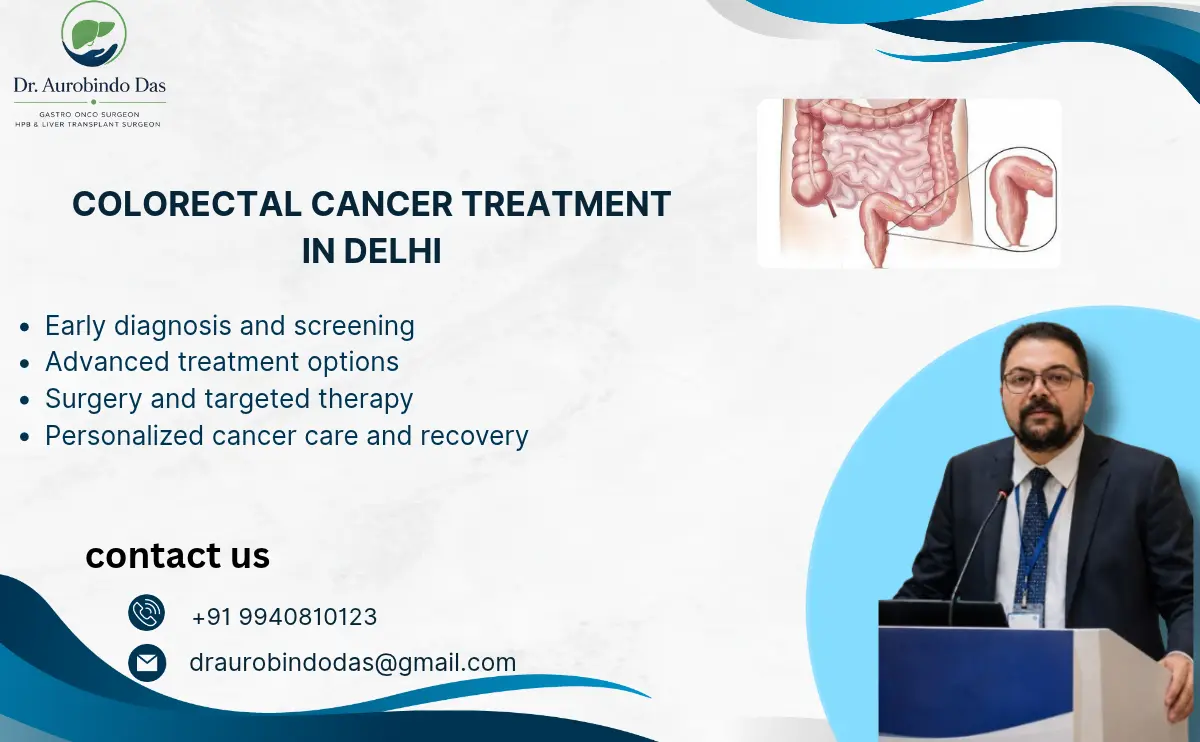
Colorectal cancer is a type of cancer that develops in the colon or rectum, which are parts of the large intestine. It often begins as small growths called polyps that may gradually develop into cancer. Early diagnosis and appropriate treatment are important for managing the disease and improving treatment outcomes.
Patients diagnosed with colorectal cancer may have several treatment options depending on the location of the tumour, cancer stage, overall health, and other medical factors. These options may include surgery, chemotherapy, radiation therapy, targeted therapy, and immunotherapy.
For individuals and families searching for Colorectal Cancer Treatment in Delhi, understanding the available treatment approaches can help them make informed decisions about their healthcare.
Dr. Sri Aurobindo Prasad Das (Dr. Aurobindo Das), Gastro Onco Surgeon, HPB Surgeon, and Liver Transplant Surgeon at Sir Ganga Ram Hospital, New Delhi, specialises in the surgical management of gastrointestinal, liver, pancreatic, and related conditions.
This guide explains colorectal cancer symptoms, causes, diagnosis, treatment options, surgical procedures, recovery, and important considerations for patients seeking specialist care in Delhi.
Understanding Colorectal Cancer: Symptoms, Causes, and Diagnosis
What Is Colorectal Cancer?
Colorectal cancer develops when abnormal cells grow uncontrollably in the colon or rectum. The colon absorbs water and nutrients from digested food, while the rectum stores stool before it leaves the body.
Most colorectal cancers are adenocarcinomas, which develop from glandular cells lining the intestine.
The disease may develop gradually, and early-stage colorectal cancer does not always cause noticeable symptoms. This is why screening and timely medical evaluation are important, particularly for individuals with increased risk factors.
People looking for Colorectal Cancer Treatment in Delhi should understand that treatment planning begins with identifying the cancer’s location, stage, and characteristics.
Common Symptoms of Colorectal Cancer
Symptoms can differ depending on whether the cancer develops in the colon or rectum and how advanced the disease is.
Common warning signs include:
- Changes in bowel habits: Persistent diarrhoea, constipation, or changes in stool consistency.
- Blood in the stool: Bright red blood or dark-coloured stools.
- Abdominal discomfort: Frequent cramps, bloating, or unexplained abdominal pain.
- Unexplained weight loss: Losing weight without changing diet or physical activity.
- Persistent fatigue: Tiredness that may be associated with anaemia or blood loss.
- Feeling of incomplete bowel emptying: A sensation that the bowel has not emptied completely.
- Weakness and anaemia: Reduced haemoglobin levels, sometimes caused by ongoing bleeding.
These symptoms do not necessarily indicate cancer. However, persistent or unexplained changes should be evaluated by a qualified doctor.
What Causes Colorectal Cancer?
Colorectal cancer develops due to changes in the DNA of cells lining the colon or rectum. These changes can affect normal cell growth and allow abnormal cells to multiply.
Several factors may increase the risk:
- Age: The risk generally increases with age, although colorectal cancer can also occur in younger adults.
- Family history: Having close relatives with colorectal cancer or certain inherited conditions may increase risk.
- Previous polyps: Certain types of colorectal polyps can develop into cancer over time.
- Inflammatory bowel disease: Long-standing ulcerative colitis or Crohn’s disease involving the colon can increase risk.
- Lifestyle factors: Smoking, excessive alcohol consumption, physical inactivity, and obesity are associated with increased risk.
- Dietary habits: A diet high in processed meat and low in fibre may contribute to increased risk.
Having one or more risk factors does not mean a person will definitely develop colorectal cancer.
How Is Colorectal Cancer Diagnosed?
Accurate diagnosis is essential before selecting Colorectal Cancer Treatment in Delhi. Doctors use different investigations to identify the tumour, determine its stage, and understand whether it has spread.
Common diagnostic tests include:
1. Colonoscopy
A colonoscopy allows the doctor to examine the inner lining of the colon and rectum using a flexible camera. Suspicious growths can be identified, and tissue samples can be collected.
2. Biopsy
A biopsy involves removing a small tissue sample for laboratory examination. It confirms whether abnormal cells are cancerous and identifies the cancer type.
3. CT Scan
A CT scan helps evaluate the tumour and check for possible spread to nearby organs, lymph nodes, or distant areas.
4. MRI Scan
Pelvic MRI is particularly useful for assessing rectal cancer, including tumour depth and involvement of surrounding structures.
5. Blood Tests and CEA
Blood tests help assess general health, while carcinoembryonic antigen (CEA) may be used as a tumour marker for selected patients during treatment monitoring and follow-up.
6. Molecular Testing
Depending on the diagnosis, doctors may recommend testing for biomarkers such as mismatch repair deficiency (dMMR), microsatellite instability (MSI), and other relevant molecular changes.
These results help the multidisciplinary team develop an appropriate treatment plan.
Colorectal Cancer Treatment in Delhi: Surgery and Available Treatment Options
What Are the Treatment Options for Colorectal Cancer?
Colorectal Cancer Treatment in Delhi depends on the cancer stage, tumour location, molecular characteristics, and the patient’s overall health.
Treatment may involve one approach or a combination of therapies.
The commonly recommended treatment options include:
1. Surgery
Surgery is an important treatment for many patients with localised colorectal cancer. The objective is to remove the cancerous portion of the intestine along with surrounding tissue and regional lymph nodes when appropriate.
2. Chemotherapy
Chemotherapy uses medicines to destroy cancer cells or prevent them from multiplying. It may be recommended before or after surgery or for advanced disease.
3. Radiation Therapy
Radiation therapy uses high-energy radiation to target cancer cells. It is particularly relevant in the treatment of rectal cancer and may be combined with chemotherapy before surgery.
4. Targeted Therapy
Targeted medicines act on specific molecular changes involved in cancer growth. Their suitability depends on tumour biomarker results and the patient’s clinical condition.
5. Immunotherapy
Immunotherapy helps the immune system recognise and attack cancer cells. It may be appropriate for selected colorectal cancers, particularly those with specific biomarkers such as MSI-high or dMMR.
What Happens During Colorectal Cancer Surgery?
Surgical treatment is commonly recommended when the cancer can be removed safely and completely.
The specific operation depends on the tumour’s location and extent.
Common surgical procedures include:
- Right Hemicolectomy: Removal of the right portion of the colon containing the tumour.
- Left Hemicolectomy: Removal of the affected left portion of the colon.
- Sigmoid Colectomy: Removal of the sigmoid colon when cancer develops in this region.
- Low Anterior Resection: Removal of the affected rectal segment while preserving the anal sphincter when possible.
- Abdominoperineal Resection: Removal of the rectum and anus in selected cases, requiring a permanent colostomy.
After removing the affected section, the surgeon may reconnect the healthy ends of the intestine. This connection is called anastomosis.
In some patients, a temporary or permanent stoma may be required to allow stool to pass through an opening in the abdominal wall into a collection bag.
Minimally Invasive Colorectal Cancer Surgery
Depending on the patient’s condition and tumour characteristics, surgery may be performed using minimally invasive techniques.
Laparoscopic surgery: The surgeon uses small abdominal incisions and specialised instruments to remove the affected intestinal segment.
Robotic-assisted surgery: Robotic technology provides enhanced instrument control and visualisation during selected complex operations.
These techniques may offer smaller incisions, less postoperative discomfort, and faster recovery in appropriately selected patients. However, open surgery may still be necessary in certain situations.
Benefits of Timely Colorectal Cancer Treatment
Seeking appropriate medical evaluation and treatment can provide several important benefits:
- Helps identify the disease and its stage.
- Allows treatment to begin at an appropriate time.
- May improve the possibility of complete tumour removal in localised disease.
- Helps reduce the risk of complications associated with tumour progression.
- Provides access to personalised treatment planning.
- Supports symptom management and quality of life.
- Enables regular monitoring for recurrence after treatment.
The expected benefits depend on the cancer stage, treatment response, and individual medical circumstances.
Why Consult a Gastro Onco Surgeon?
A Gastro Onco Surgeon specialises in the surgical management of cancers affecting the digestive system, including the colon, rectum, stomach, pancreas, and other gastrointestinal organs.
For patients considering Colorectal Cancer Treatment in Delhi, consultation with an experienced specialist helps determine whether surgery is appropriate and which surgical approach may be suitable.
A specialist may evaluate:
- Tumour location and size.
- Cancer stage and lymph node involvement.
- Biopsy and imaging findings.
- Overall fitness for surgery.
- Need for chemotherapy or radiation therapy.
- Possibility of minimally invasive surgery.
- Postoperative care and long-term follow-up.
Treatment planning may also involve medical oncologists, radiation oncologists, radiologists, pathologists, and other healthcare professionals.
Recovery, Treatment Comparison, and Important Patient Considerations
Recovery After Colorectal Cancer Surgery
Recovery depends on the type of operation, cancer stage, surgical technique, and the patient’s overall health.
Some patients recover within a few weeks, while more complex procedures may require a longer recovery period.
Common recovery stages include:
First few days after surgery
Patients are monitored in the hospital. Doctors assess pain, bowel function, wound healing, and the ability to eat and drink.
First 1–2 weeks
Gradual movement and light activities are encouraged. Patients receive instructions about wound care, medicines, diet, and bowel management.
Following weeks
Activity levels are gradually increased according to recovery. Follow-up appointments help assess healing and review pathology results.
Long-term recovery
Some patients may require additional chemotherapy, dietary adjustments, stoma care, or regular surveillance.
Diet and Lifestyle After Colorectal Cancer Treatment
Nutrition plays an important role during recovery. Dietary recommendations depend on the operation performed and the patient’s digestive function.
General recommendations may include:
- Eat small, frequent meals during the initial recovery period.
- Include adequate protein to support tissue healing.
- Maintain proper hydration.
- Gradually introduce fibre according to medical advice.
- Avoid foods that cause discomfort or bloating.
- Follow individual dietary instructions provided by the healthcare team.
Regular physical activity, maintaining a healthy weight, avoiding tobacco, and attending follow-up appointments can also support long-term health.
Colorectal Cancer Treatment: Surgery vs Other Treatment Approaches
Patients often want to understand how surgery differs from chemotherapy and radiation therapy.
| Treatment | Main purpose | Common use |
| Surgery | Removes the cancerous tissue | Localised and selected advanced cancers |
| Chemotherapy | Destroys or controls cancer cells | Before or after surgery and advanced disease |
| Radiation therapy | Targets cancer cells using radiation | Particularly selected rectal cancers |
| Targeted therapy | Acts on specific cancer-related molecular targets | Selected advanced cancers |
| Immunotherapy | Helps the immune system attack cancer cells | Selected biomarker-positive cancers |
These treatments are not always alternatives to one another. They may be combined depending on the diagnosis.
For example, some patients with locally advanced rectal cancer may receive chemotherapy and radiation before surgery. Others with colon cancer may undergo surgery followed by chemotherapy, depending on the final pathological stage and risk factors.
What Factors Affect Colorectal Cancer Treatment Cost in Delhi?
The cost of Colorectal Cancer Treatment in Delhi varies considerably between patients and hospitals. There is no single fixed treatment price because the medical requirements differ.
Important factors include:
- Cancer stage: Early-stage and advanced cancers may require different treatment approaches.
- Surgical procedure: The complexity and type of surgery influence the overall expenses.
- Hospital facilities: Room category, operation theatre facilities, and hospital stay affect costs.
- Diagnostic investigations: Colonoscopy, biopsy, CT, MRI, and molecular tests may add to the total expense.
- Additional treatment: Chemotherapy, radiation therapy, targeted therapy, or immunotherapy may be required.
- Postoperative care: Medicines, follow-up visits, and additional procedures may influence the overall treatment cost.
Patients should discuss an individualised treatment estimate with the hospital after diagnosis and treatment planning rather than relying on a general online price.
Why Choose Dr. Sri Aurobindo Prasad Das for Specialist Consultation?
Dr. Sri Aurobindo Prasad Das (Dr. Aurobindo Das) is a Gastro Onco Surgeon, HPB Surgeon, and Liver Transplant Surgeon associated with Sir Ganga Ram Hospital, New Delhi.
His areas of clinical practice include gastrointestinal cancer surgery, hepatobiliary and pancreatic surgery, and liver transplantation.
Patients seeking Colorectal Cancer Treatment in Delhi can consult a specialist to understand their diagnosis, review available surgical options, and discuss an appropriate treatment plan based on their medical reports.
An informed consultation helps patients and their families understand the expected benefits, possible risks, treatment requirements, and recovery process.
Frequently Asked Questions About Colorectal Cancer Treatment in Delhi
1. What is the best treatment for colorectal cancer?
The treatment depends on the cancer stage, tumour location, and patient’s health. Surgery is commonly used for localised disease, while chemotherapy, radiation, targeted therapy, and immunotherapy may be recommended in selected cases.
2. Can colorectal cancer be treated with surgery?
Yes. Surgery is an important treatment for many patients with localised colorectal cancer. The surgeon removes the affected intestinal segment and, when appropriate, nearby lymph nodes.
3. What are the early warning signs of colorectal cancer?
Early symptoms may include changes in bowel habits, blood in the stool, abdominal discomfort, unexplained weight loss, and anemia. Some patients may not experience symptoms during the early stages.
4. Is colorectal cancer curable?
Colorectal cancer can be treated with curative intent in many patients, particularly when diagnosed at an early stage. Outcomes depend on the cancer stage, tumour characteristics, and response to treatment.
5. How long does recovery take after colorectal cancer surgery?
Recovery varies according to the operation and individual health. Many patients need several weeks to resume normal activities, while complex procedures and additional cancer treatments may require more time.
6. Is a colostomy always required after colorectal cancer surgery?
No. Many patients can undergo surgery without a permanent colostomy. However, a temporary or permanent stoma may be necessary depending on tumour location, surgical findings, and patient safety.
7. Which doctor treats colorectal cancer in Delhi?
A Gastro Onco Surgeon or Surgical Oncologist evaluates and manages the surgical treatment of colorectal cancer. Medical oncologists and radiation oncologists may also participate in treatment planning.
8. When should I consult a colorectal cancer specialist?
You should seek medical evaluation if you experience persistent changes in bowel habits, blood in the stool, unexplained weight loss, or ongoing abdominal discomfort. Individuals with a family history or other risk factors should discuss appropriate screening with their doctor.
9. Where can I consult for colorectal cancer treatment in Delhi?
Patients can consult Dr. Sri Aurobindo Prasad Das at Sir Ganga Ram Hospital, New Delhi, for specialist evaluation and discussion of gastrointestinal cancer treatment options.
Conclusion: Consult a Specialist for Colorectal Cancer Treatment in Delhi
Colorectal cancer requires timely diagnosis, accurate staging, and an appropriate treatment strategy. Depending on the patient’s condition, treatment may involve surgery, chemotherapy, radiation therapy, targeted therapy, or immunotherapy.
Understanding the available options helps patients make informed decisions and prepare for treatment and recovery.
If you or a family member has been diagnosed with colorectal cancer, consulting an experienced Gastro Onco Surgeon can help clarify the diagnosis and identify suitable treatment options.
Book an Appointment with Dr. Sri Aurobindo Prasad Das in Delhi
For specialist consultation regarding colorectal cancer, gastrointestinal cancers, HPB surgery, and liver-related surgical conditions, consult:
Dr. Sri Aurobindo Prasad Das (Dr. Aurobindo Das)
Gastro Onco Surgeon | HPB Surgeon | Liver Transplant Surgeon
- Hospital: Sir Ganga Ram Hospital
- Address: Sir Ganga Ram Hospital Road, near Karol Bagh Metro, Old Rajinder Nagar, Rajinder Nagar, New Delhi, Delhi – 110060.
- Appointment Contact: 099408 10123